

Multi-Agent Systems: The 90% Performance Jump Nobody's Talking About
If 2025 was the year of AI agents, 2026 is shaping up as the year of multi-agent systems. Internal evaluations from early 2025 surfaced something striking:
Inference-Time Scaling: Why AI Models Now Think for Minutes Before Answering
OpenAI's o1 model spends 60 seconds reasoning through complex problems before generating a response. GPT-4 responds in roughly 2 seconds. This isn't a...
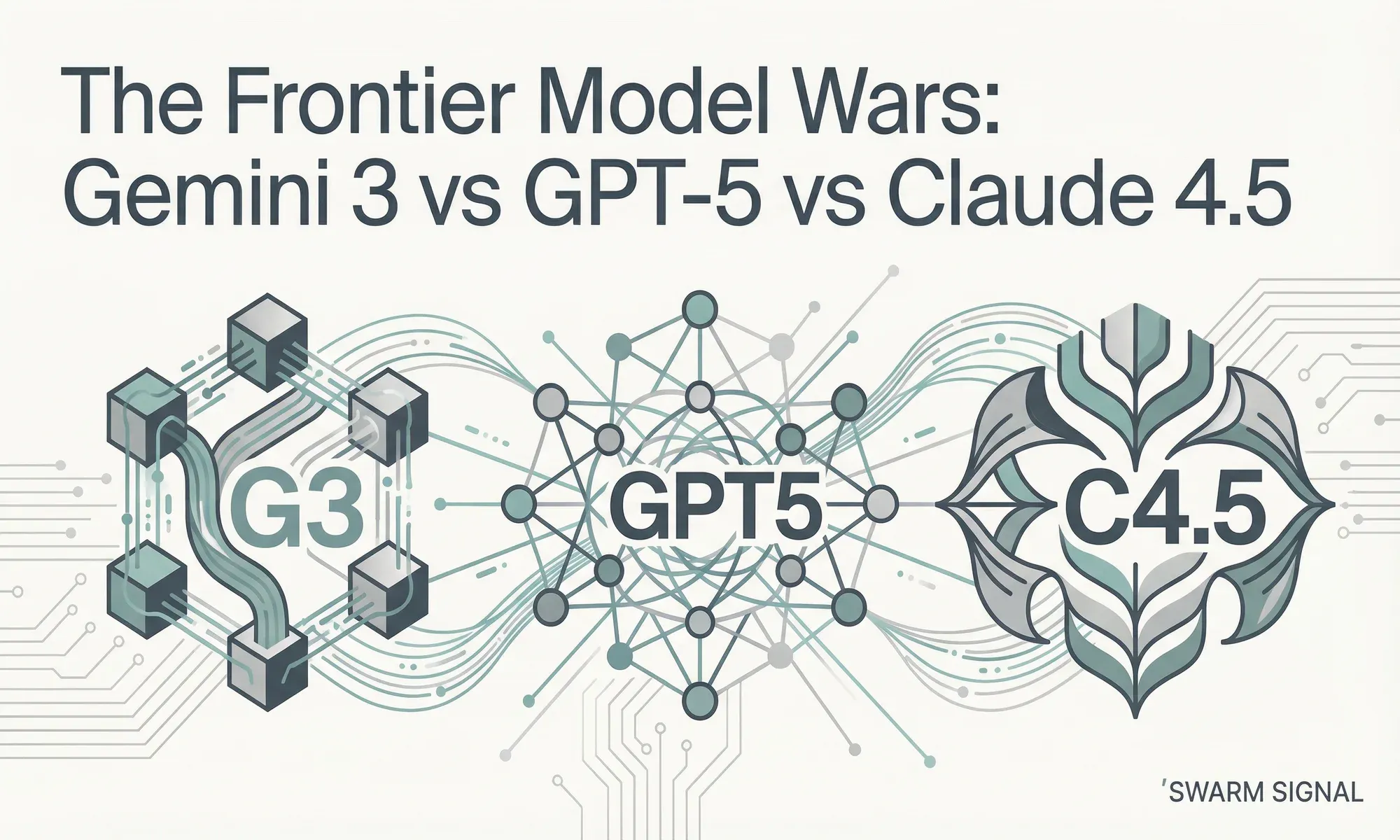
The Frontier Model Wars: Gemini 3 vs GPT-5 vs Claude 4.5
Google's Gemini 3 Pro scores 91.9% on GPQA Diamond, giving it nearly a 4-point lead over GPT-5.1's 88.1%. But Clarifai's model comparison shows Claude achi
The Benchmark Crisis: Why Model Leaderboards Are Becoming Marketing Tools
All three leading AI models now score above 70% on SWE-Bench Verified. That milestone should be cause for celebration. Instead, it exposes a growing crisis
The AI Agent Paradox: Why 95% Fail While 84% Keep Investing
Ninety-five percent. That's the failure rate for enterprise generative AI pilots according to MIT's 2025 research, a figure so stark it borders on unbeliev
AI Coding Assistants: The Productivity Paradox
Eighty-four percent of developers now use or plan to use AI coding tools, according to the Stack Overflow 2025 Developer Survey. The technology promises fa
The 40% Problem: What the IMF's AI Workforce Warning Actually Means
The International Monetary Fund estimates that nearly 40% of global jobs are exposed to AI-driven change. Not in 2050. Not as speculation about some distan
AI in Drug Discovery: From Hype to Clinical Proof
The pharmaceutical industry crossed a threshold in 2025 that five years ago seemed distant: artificial intelligence moved from experimental tool to essenti
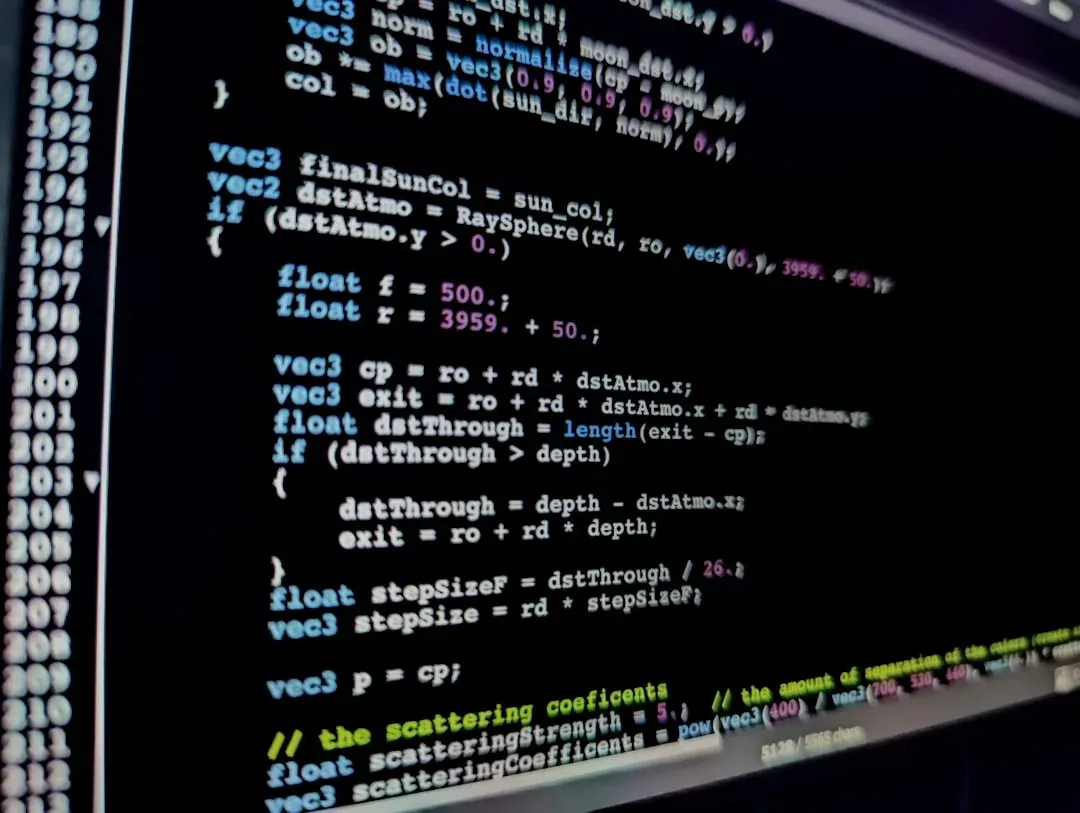
Vibe Coding Is Eating Open Source From the Inside
AI coding tools are destroying the open source ecosystem that makes them possible. Tailwind CSS lost 80% revenue at peak popularity.
The Coordination Tax: Why More Agents Don't Mean Better Results
Once a single agent solves a task correctly 45% of the time, adding more agents makes the system worse. Independent multi-agent systems amplify errors 17.2 times.